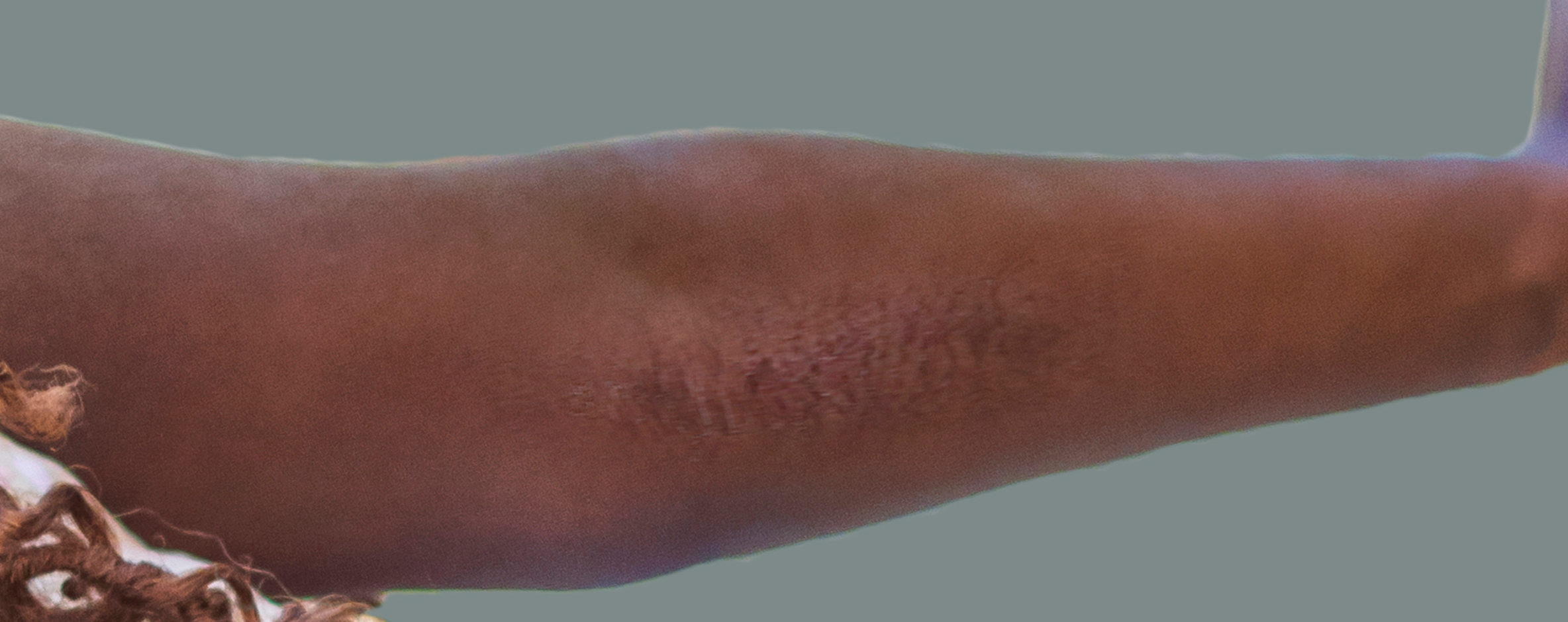
Visible results in patients (aged 12+ years) of color
2-POINT IMPROVEMENT IN IGA
This was an actual patient treated with DUPIXENT. Not a clinical trial patient. This patient was on concomitant therapies, such as TCS, phototherapy, etc, at their healthcare professional's discretion. Scoring was designated by the healthcare professional. As this was a real-world patient, other factors may have influenced treatment results. Individual results may vary.
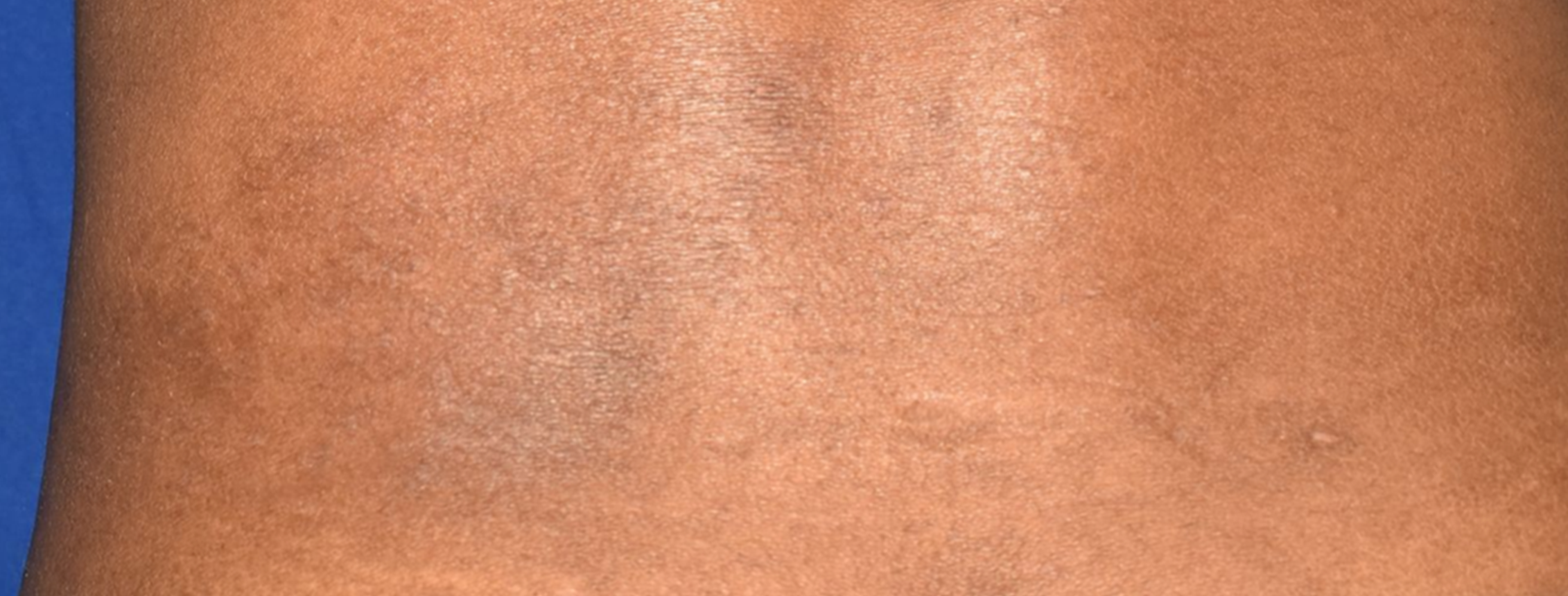
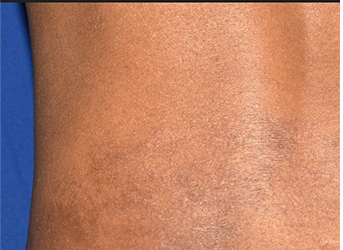
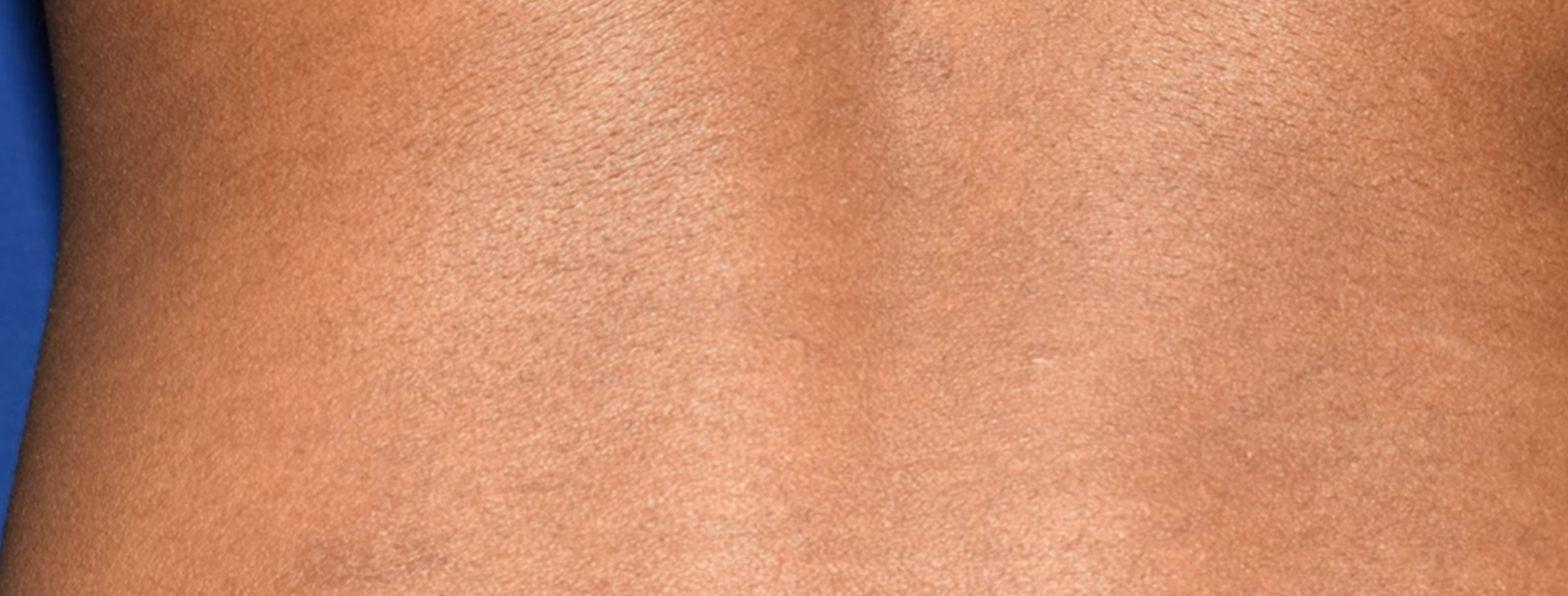
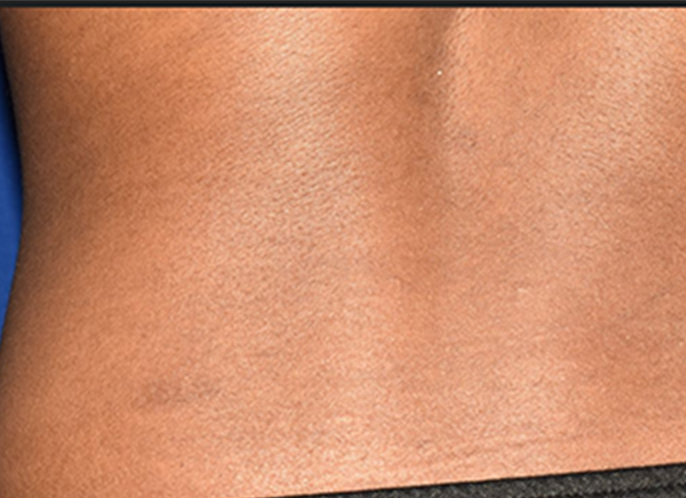
3-POINT IMPROVEMENT IN IGA
This adolescent patient was an actual patient treated with DUPIXENT. Individual results may vary.
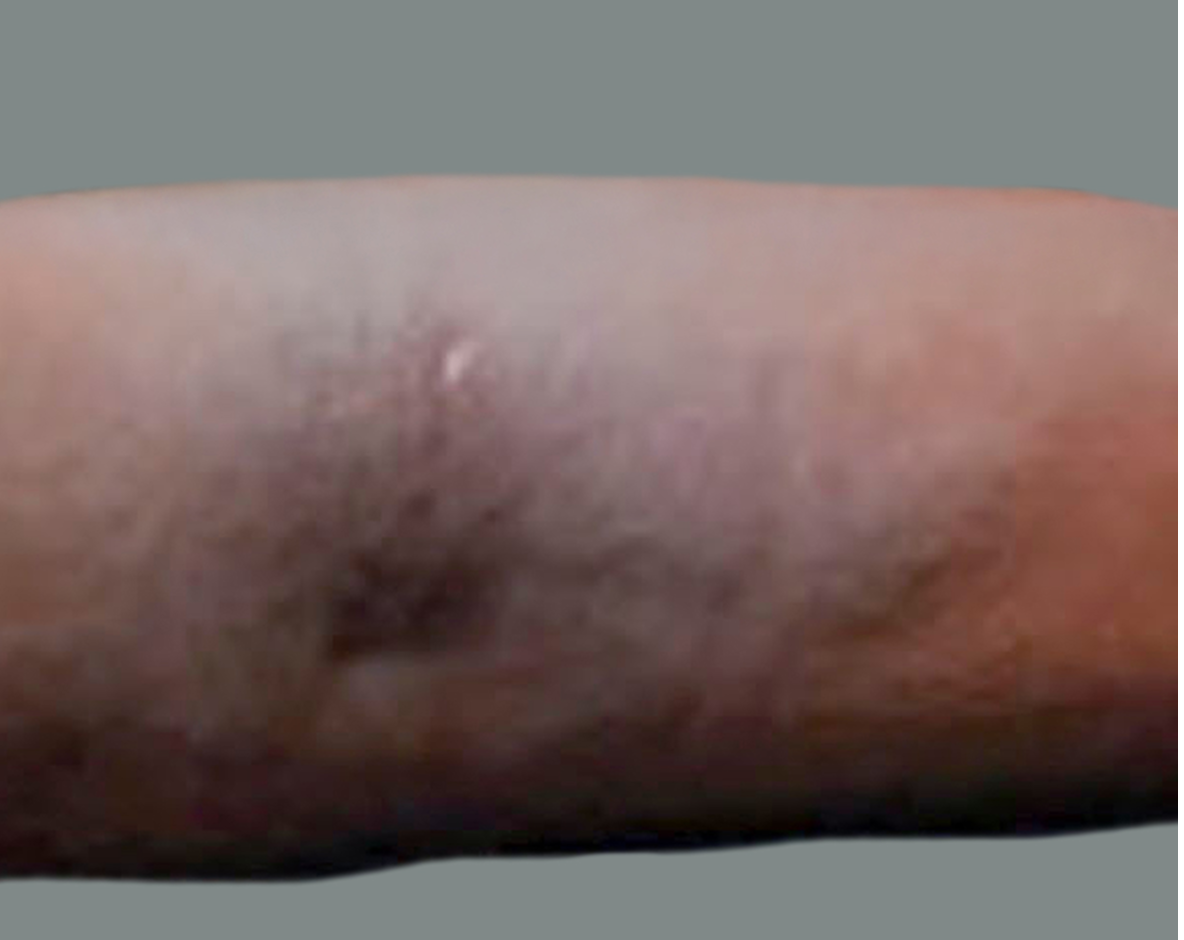
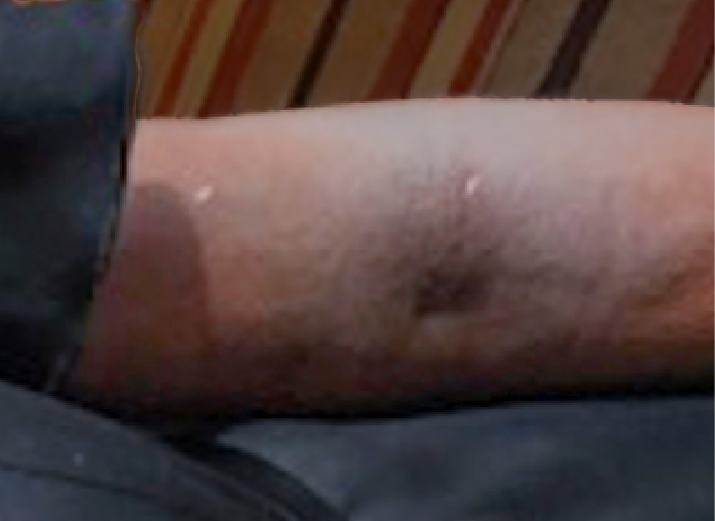

2-POINT IMPROVEMENT IN IGA
This was an actual patient treated with DUPIXENT. Not a clinical trial patient. This patient was on concomitant therapies, such as TCS, phototherapy, etc, at their healthcare professional's discretion. Scoring was designated by the healthcare professional. As this was a real-world patient, other factors may have influenced treatment results. Individual results may vary.
3-POINT IMPROVEMENT IN IGA
This adolescent patient was an actual patient treated with DUPIXENT. Individual results may vary.
Itch and skin improvement observational results in patients of color with ADa
DISCOVER 12+ YEARS
PHASE 4 OPEN-LABEL SINGLE-ARM
EASI-75 AT WEEK 24
(primary endpoint)1
Itch response observed at Week 241
- 66% of patients had ≥3-point improvement in Peak Pruritus NRS (secondary endpoint)
- 53% of patients had ≥4-point improvement in Peak Pruritus NRS (secondary endpoint)
DISCOVER Study: DISCOVER was a phase 4, open-label, single-arm, 24-week study to further evaluate the efficacy and safety of DUPIXENT monotherapy 200/300 mg Q2W in adolescent and adult patients with skin of color and moderate-to-severe AD (N=120). All DUPIXENT-treated adults and adolescents ≥60 kg received 300 mg Q2W after a 600 mg loading dose and patients ≥30 to <60 kg received 200 mg Q2W after a 400 mg loading dose. EASI-75 was the primary endpoint and secondary endpoints included ≥3-point and ≥4-point improvement in Peak Pruritus NRS.
Limitations of analysis: Results may be subject to limitations such as open-label study design and lack of a placebo control group.1
aSkin of color was defined as Fitzpatrick skin types IV, V, or VI. Patients self-reporting as White/Caucasian were ineligible.
Changes in PHSS total score
DISCOVER 12+ YEARS
PHASE 4 OPEN-LABEL SINGLE-ARM
PHSS TOTAL SCORE IMPROVEMENT AT WEEK 24
(exploratory endpoint)2
Thresholds for clinically meaningful changes in PHSS scores have not been established.
- There was a 53% mean change in PHSS score from baseline to Week 241
- PHSS baseline: 5.11
DISCOVER Study: DISCOVER was a phase 4, open-label, single-arm, 24-week study to further evaluate the efficacy and safety of DUPIXENT monotherapy 200/300 mg Q2W in adolescent and adult patients with skin of color and moderate-to-severe AD (N=120). All DUPIXENT-treated adults and adolescents ≥60 kg received 300 mg Q2W after a 600 mg loading dose and patients ≥30 to <60 kg received 200 mg Q2W after a 400 mg loading dose. EASI-75 was the primary endpoint and secondary endpoints included ≥3-point and ≥4-point improvement in Peak Pruritus NRS.
Limitations of analysis: Results may be subject to limitations such as open-label study design and lack of a placebo control group.1
PHSS, the Postinflammatory Hyperpigmentation Severity Scale, is a clinician-rated tool assessing overall dyspigmentation severity (range: 0-8), based on1,2:
- Overall pigmentary change (range: 0-8)
- Area of hyperpigmented lesions (range: 0-5)
- Pigmentary intensity of hyperpigmented lesions (range: 0-5)
- Degree of hypopigmentation (range: 0-5)
- Presence/extent of erythema, burning, peeling dryness (range: 0-5)
Thresholds for clinically meaningful changes in PHSS scores have not been established.
Watch healthcare providers discuss why they choose DUPIXENT
AD, atopic dermatitis; EASI, Eczema Area and Severity Index; IGA, Investigator's Global Assessment; NRS, numerical rating scale; PHSS, Postinflammatory Hyperpigmentation Severity Scale; PP-NRS, Peak Pruritus Numerical Rating Scale; Q2W, once every 2 weeks; TCS, topical corticosteroids.