Sustained skin clearance at 1 year1
CHRONOS (18+ YEARS)
EASI-75 AT WEEKS 16 AND 52
(secondary endpoints)1-3,a-c
Definitive conclusions cannot be made at Week 2, as this was a post hoc analysis. Data were not multiplicity controlled and P value was nominal.
- At Week 16 in CHRONOS, 69% of adults treated with DUPIXENT + TCS (n=106) achieved EASI-75 vs 23% with placebo + TCS (n=315; secondary endpoint; P<0.0001)1,2,с
- At Week 16 in CHRONOS, 39% of adults treated with DUPIXENT + TCS achieved clear or almost-clear skin (IGA 0 or 1 and ≥2 point improvement) vs 12% with placebo + TCS (primary endpoint; P<0.0001)1,2,с
- At Week 52, 36% vs 13%, respectively, achieved clear or almost-clear skin (secondary endpoint; P<0.0001)
aFull analysis set includes all subjects randomized.2
bIn the primary analyses of the efficacy endpoints, subjects who received rescue treatment or with missing data were considered nonresponders.2
cIn CHRONOS, as needed, subjects received topical calcineurin inhibitors for problem areas only, such as the face, neck, and intertriginous and genital areas.1
dWeek 52 data were limited to patients completing 52 weeks as of the cutoff date.2
Proportion of responders with no flares at 1 year4
Flare was defined as worsening of disease requiring escalation of treatment, including any topical rescue therapy
SOLO-CONTINUE (18+ YEARS)
PATIENTS EXPERIENCING NO FLARES
(post hoc analysis)4
Definitive conclusions cannot be made at Week 52, as this was a post hoc analysis in which data were not multiplicity controlled.
- IGA 0 or 1 responses at Week 52 (Week 36 of SOLO-CONTINUE) were as follows: 33 (53%) in the Q2W group and 3 (10%) in the placebo group1
SOLO-CONTINUE STUDY DESIGN: At the end of SOLO 1 and SOLO 2 (week 16), adult patients achieving IGA 0 or 1 and/or EASI-75 could enroll in SOLO CONTINUE, a double-blind phase 3 study. Patients who received rescue treatment in SOLO 1 and SOLO 2 (including TCS/TCI) were considered nonresponders. Patients who received DUPIXENT 300 mg Q2W in either parent study were randomized to DUPIXENT 300 mg Q2W (n=80), DUPIXENT 300 mg Q4W (n=41), DUPIXENT 300 mg Q8W (n=39), or placebo (n=39).4
Limitation of analysis: Rescue medication use does not directly capture the presence, severity, or duration of a flare. Only Week 16 responders were eligible to enroll. SOLO-CONTINUE duration was 36 weeks.4
aWeeks correspond to SOLO-CONTINUE study, in continuation of SOLO 1 and 2.
At Week 16 in the parent studies (SOLO 1 and SOLO 2)1,5:
- EASI-75 was achieved by 51% and 44% of patients treated with DUPIXENT vs 15% and 12% with placebo in SOLO 1 and SOLO 2, respectively (secondary endpoint; P<0.001)
- Clear or almost-clear skin was achieved by 38% and 36% of patients treated with DUPIXENT vs 10% and 9% with placebo in SOLO 1 and SOLO 2, respectively (primary endpoint; P<0.001)
See skin clearance data in other AD populations
Visible results with DUPIXENT
3-POINT IMPROVEMENT IN IGA
This was an actual patient treated with DUPIXENT. Not a clinical trial patient. This patient was on concomitant therapies, such as TCS, phototherapy, etc, at their healthcare professional’s discretion. Scoring was designated by the healthcare professional. Because this was a real-world patient, other factors may have influenced treatment results. Individual results may vary.
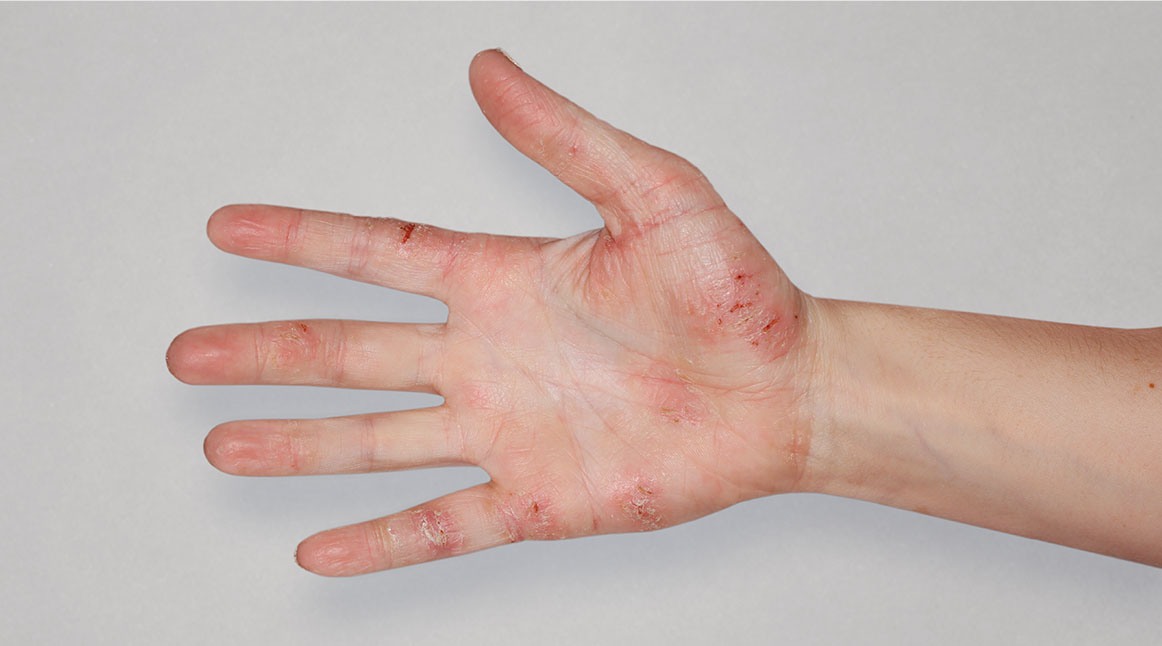
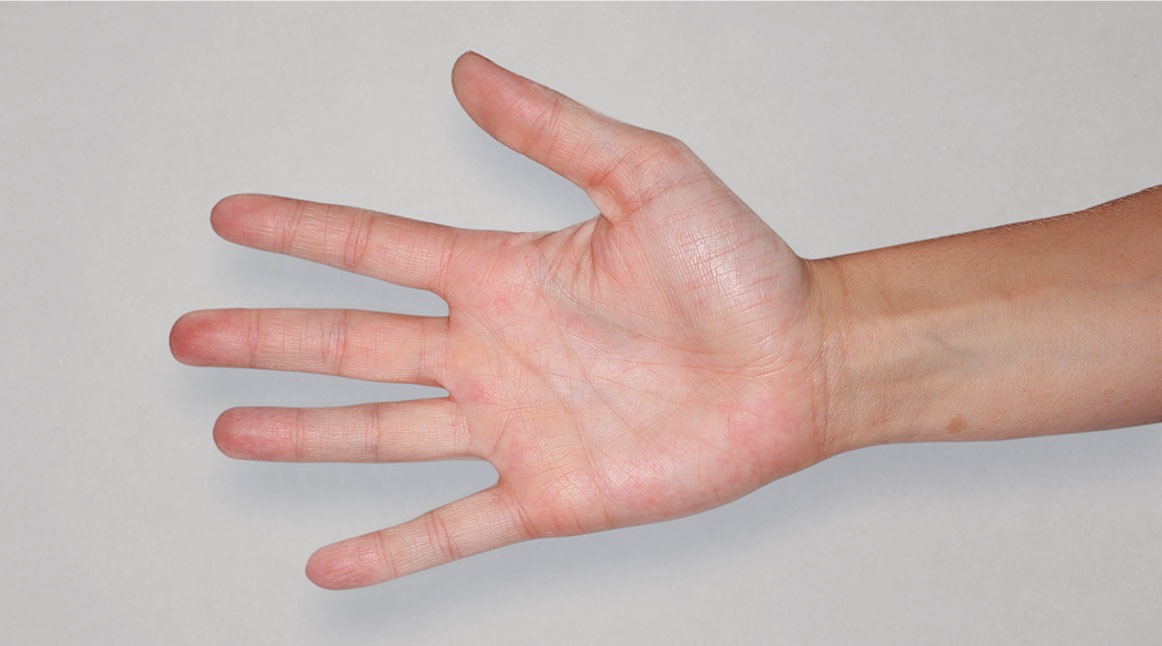
A clinical responder in the clinical trial of patients with atopic dermatitis with uncontrolled moderate-to-severe hand and/or foot involvement was defined as a patient achieving IGA hand and foot 0 or 1.1
3-POINT IMPROVEMENT IN IGA
This was an actual patient treated with DUPIXENT. Not a clinical trial patient. This patient was on concomitant therapies, such as TCS, phototherapy, etc, at their healthcare professional’s discretion. Scoring was designated by the healthcare professional. Because this was a real-world patient, other factors may have influenced treatment results. Individual results may vary.
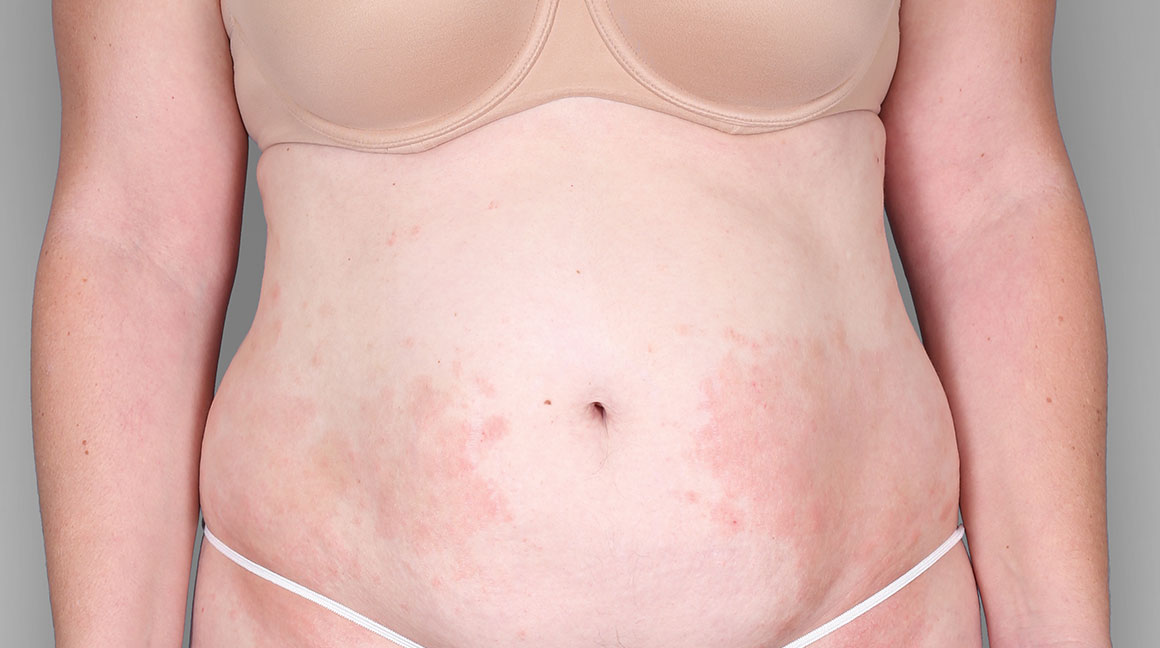
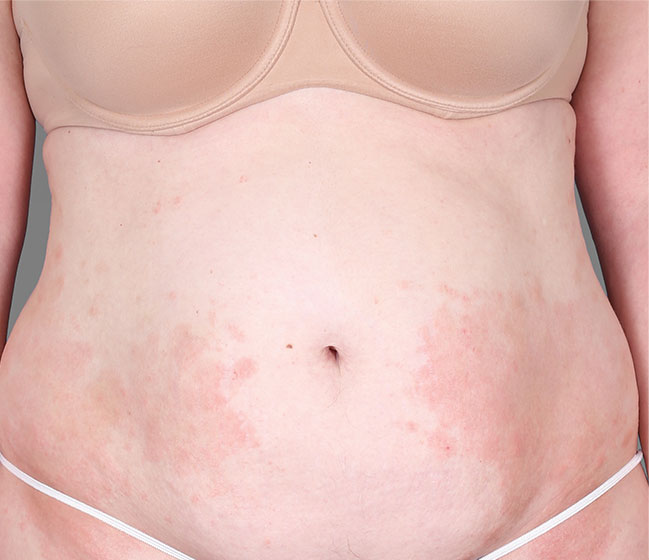


A clinical responder was defined as a patient achieving IGA 0 or 1 and a ≥2-point improvement from baseline.1
4-POINT IMPROVEMENT IN IGA
This was an actual patient treated with DUPIXENT. Not a clinical trial patient. This patient was on concomitant therapies, such as TCS, phototherapy, etc, at their healthcare professional’s discretion. Scoring was designated by the healthcare professional. Because this was a real-world patient, other factors may have influenced treatment results. Individual results may vary.
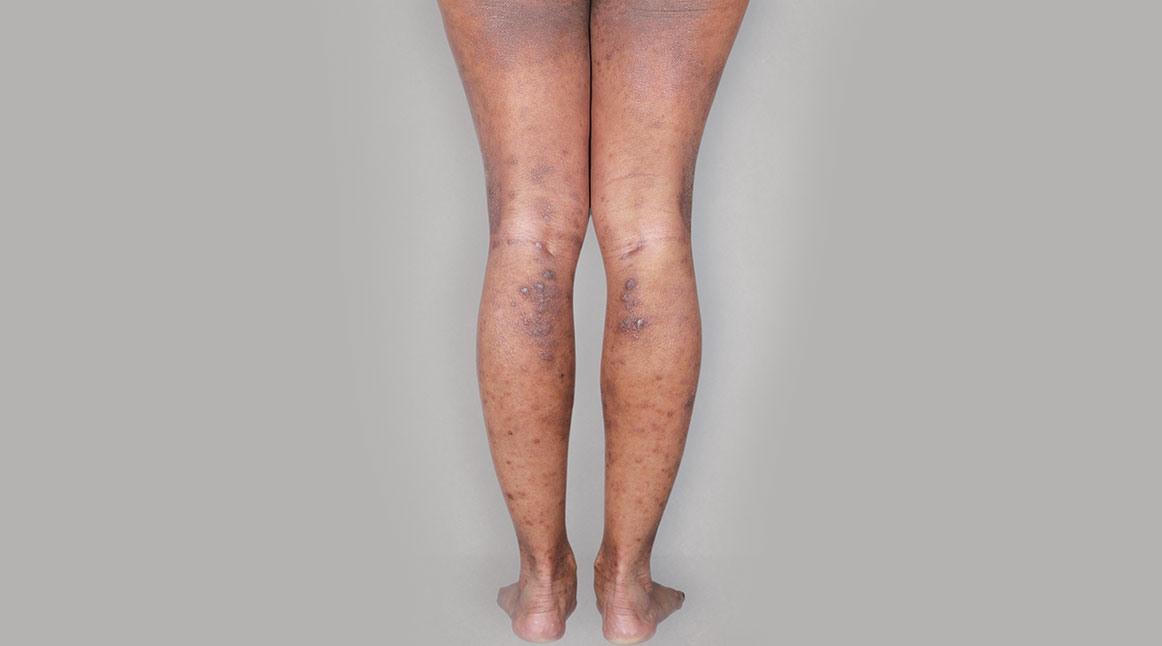
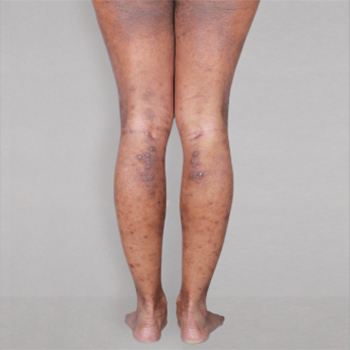
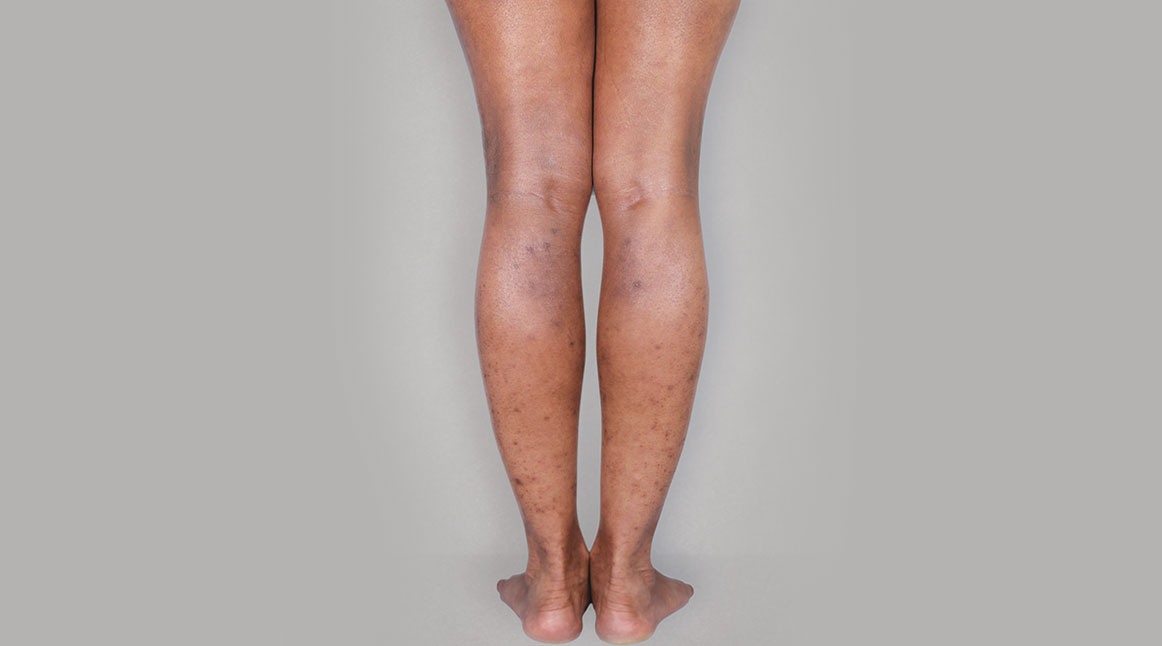
A clinical responder was defined as a patient achieving IGA 0 or 1 and a ≥2-point improvement from baseline.1
3-POINT IMPROVEMENT IN IGA
This was an actual patient treated with DUPIXENT. Not a clinical trial patient. This patient was on concomitant therapies, such as TCS, phototherapy, etc, at their healthcare professional’s discretion. Scoring was designated by the healthcare professional. Because this was a real-world patient, other factors may have influenced treatment results. Individual results may vary.
A clinical responder in the clinical trial of patients with atopic dermatitis with uncontrolled moderate-to-severe hand and/or foot involvement was defined as a patient achieving IGA hand and foot 0 or 1.1
3-POINT IMPROVEMENT IN IGA
This was an actual patient treated with DUPIXENT. Not a clinical trial patient. This patient was on concomitant therapies, such as TCS, phototherapy, etc, at their healthcare professional’s discretion. Scoring was designated by the healthcare professional. Because this was a real-world patient, other factors may have influenced treatment results. Individual results may vary.
A clinical responder was defined as a patient achieving IGA 0 or 1 and a ≥2-point improvement from baseline.1
4-POINT IMPROVEMENT IN IGA
This was an actual patient treated with DUPIXENT. Not a clinical trial patient. This patient was on concomitant therapies, such as TCS, phototherapy, etc, at their healthcare professional’s discretion. Scoring was designated by the healthcare professional. Because this was a real-world patient, other factors may have influenced treatment results. Individual results may vary.
A clinical responder was defined as a patient achieving IGA 0 or 1 and a ≥2-point improvement from baseline.1
Data from an open-label exploratory study measuring skin barrier function6
BALISTAD, PHASE 4 OPEN-LABEL (12+ YEARS)
TRANSEPIDERMAL WATER LOSS (TEWL)6
- At baseline, median TEWL in AD lesional skin was significantly greater vs healthy skin6
- At Week 16, no difference observed between AD lesional skin and healthy skin6
BALISTAD: 52 subjects were enrolled in this open-label study, with 26 participants enrolled into the moderate-to-severe AD cohort and the healthy volunteer cohort. Adult AD subjects and adolescent (aged 12-17 years) AD subjects weighing ≥60 kg received a loading dose of DUPIXENT 600 mg followed by 300 mg Q2W through Week 14. Adolescents weighing <60 kg received a loading dose of DUPIXENT 400 mg followed by 200 mg Q2W through Week 14. Healthy volunteers were age and gender-matched with AD subjects and did not receive any treatment. TEWL was compared before and after 5 skin tape-stripping measurements.7
aThe healthy cohort included subjects with no current dermatologic or systemic condition that could interfere with the study assessments.6
In another study (PELISTAD),
Similar results were also observed in children aged 6-11 years7
At baseline, mean TEWL in AD lesional skin was significantly greater vs healthy skin. At Week 16 and Week 28, no difference observed between AD lesional skin and healthy skin.
PELISTAD: Open-label, exploratory study on skin barrier function in 41 children aged 6 to 11 years. Subjects were moderate-to-severe AD patients (n=23) or matched healthy volunteers (n=18). AD subjects were treated with DUPIXENT for up to 16 weeks (with post-treatment follow-up at Week 28). AD subjects weighing 15 kg to <30 kg received a loading dose of DUPIXENT 600 mg followed by 300 mg Q4W, and subjects weighing 30 kg to <60 kg received a loading dose of DUPIXENT 400 mg followed by 200 mg Q2W. TEWL was compared before and after up to 20 skin tape-stripping measurements.7
The Eczema Area and Severity Index (EASI) combines the severity of eczema signs and the extent of skin involvement to measure lesional signs of AD.8
The severity of each of 4 eczema signs is assessed on a scale of 0 to 38
- The signs of eczema (erythema, edema/papulation, excoriation, and lichenification) are graded using a defined process by the extent to which the patient is affected
The extent of lesions in each body region is evaluated8
- The extent of lesions in each body region is evaluated based on the percentage of involvement and is given a value between 0 and 6
- Each body region value is then weighted by a corresponding multiplier; lower extremities are weighted more while head and neck are weighted the least
Each region gets a total region score8:
Severity Score x Area Score x Multiplier = Region Score
The final EASI score is the sum of all 4 region scores. The composite score, on a scale from 0 to 72, determines the severity of the signs of eczema and the extent to which the patient is affected.8,a
An improvement of at least 75% in lesion extent and severity (EASI-75) from baseline is considered a clinically meaningful change.1
aIn patients <8 years of age, the multipliers for the head and neck are 0.2, the trunk is 0.3, the upper extremities are 0.2, and the lower extremities are 0.3. In patients ≥8 years of age, the multipliers for the head and neck are 0.1, the trunk is 0.3, the upper extremities are 0.2, and the lower extremities are 0.4.8
Investigator's Global Assessment (IGA) for skin clearance assesses the overall severity of clinical signs of atopic dermatitis using a 0- to 4-point scoring system.3
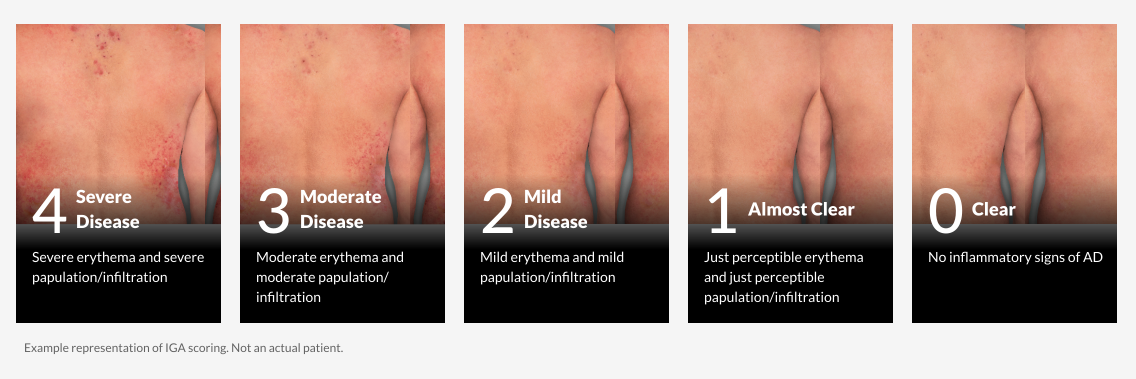
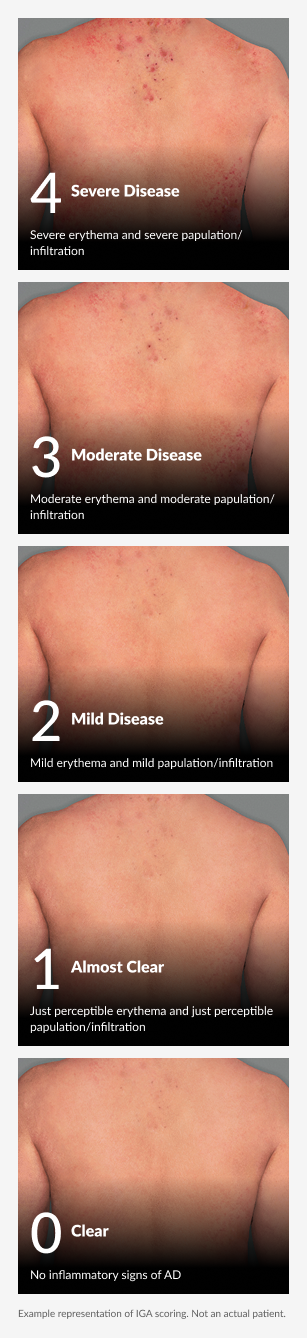
A clinical responder was defined as a patient achieving IGA 0 or 1 and, in adults and adolescents, ≥2-point improvement from baseline.1
Watch healthcare providers discuss skin clearance with DUPIXENT
AD, atopic dermatitis; EASI, Eczema Area and Severity Index; IGA, Investigator’s Global Assessment; Q2W, every 2 weeks; Q4W, every 4 weeks; Q8W, once every 8 weeks; TCI, topical calcineurin inhibitor; TCS, topical corticosteroids.